Understanding MVP and Prototype Fundamentals
In today's fast-paced digital landscape, bringing a new product to market requires a strategic balance between speed and functionality. Understanding the distinction between Minimum Viable Products (MVPs) and prototypes is crucial for any business looking to validate their ideas efficiently and effectively.
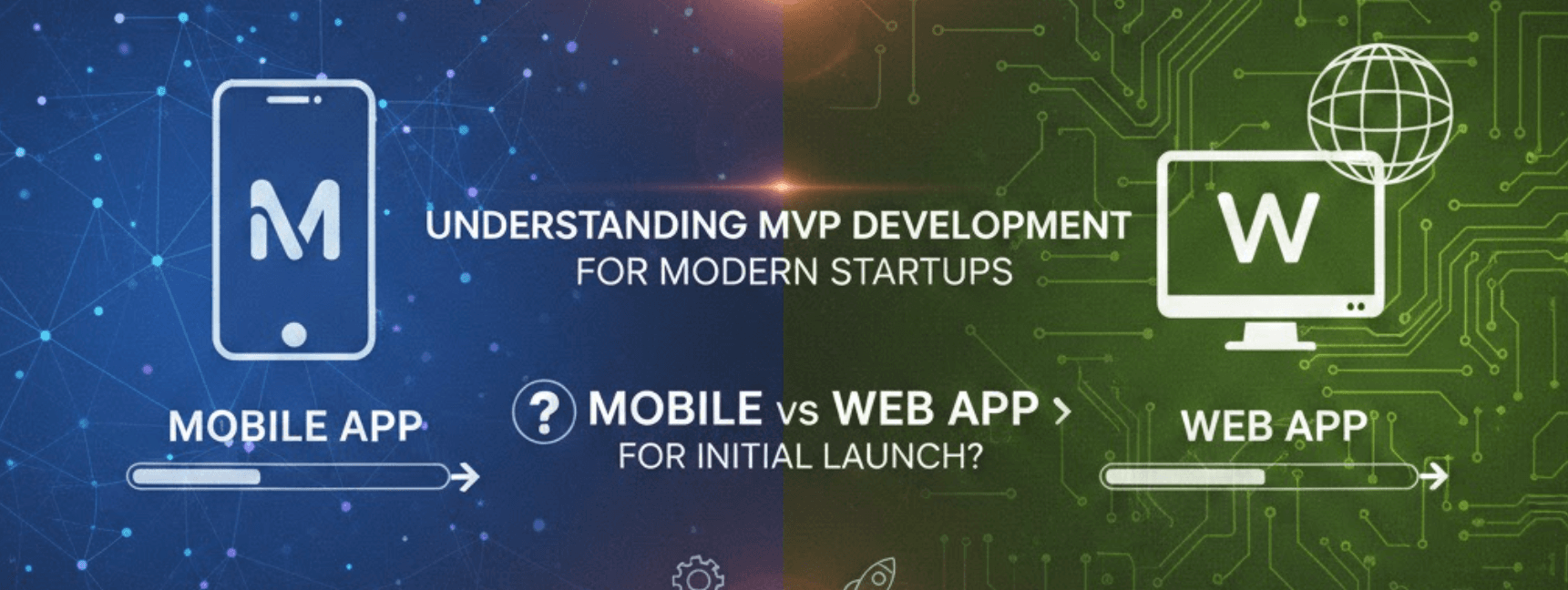
While both MVPs and prototypes serve as developmental stepping stones, they fulfill distinctly different roles in the product development journey. A prototype demonstrates the look and feel of your product, while an MVP represents the smallest version that delivers core value to users.
The Role of Prototypes in Product Development
Prototypes serve as visual and interactive representations of your product concept, allowing stakeholders to experience the user interface and basic functionality without full implementation. They're invaluable for gathering early feedback and refining the user experience before significant resources are invested.
Different types of prototypes serve various purposes throughout development. Low-fidelity wireframes help establish basic layout and flow, while high-fidelity prototypes provide detailed visual design and interactions that closely mirror the final product experience.
The prototyping phase typically involves multiple iterations, each incorporating feedback and refinements. This iterative process helps identify potential usability issues and design flaws early, significantly reducing the cost and time required for later modifications.
MVP Development Strategy and Implementation
An MVP represents the first fully functional version of your product that delivers essential features to early adopters. It's designed to test core assumptions about your product's value proposition while minimizing development time and resource investment.
Successful MVP development requires careful feature prioritization. Teams must distinguish between must-have features that address core user needs and nice-to-have features that can be implemented in future iterations. This focus ensures rapid development while maintaining product value.
The 4-6 Week Development Timeline
Achieving a functional MVP within 4-6 weeks demands precise planning and efficient execution. This accelerated timeline requires teams to embrace agile methodologies and maintain laser focus on essential features that demonstrate the product's core value proposition.
Week 1-2: Planning and Initial Development
The first two weeks focus on requirement gathering, feature prioritization, and technical architecture planning. Teams establish development environments, choose appropriate technologies, and begin implementing the most critical features identified during the planning phase.
During this phase, daily stand-ups and rapid feedback loops ensure the team maintains alignment with project goals. Technical decisions are made quickly but thoughtfully, considering both immediate needs and future scalability requirements.
User stories and acceptance criteria are defined and refined, creating clear development targets. The development team begins building the core functionality while UX designers finalize key interface elements and user flows.
Week 3-4: Core Feature Implementation
The middle weeks focus intensively on implementing core features and establishing basic user flows. Development teams work in parallel streams, with frontend developers building user interfaces while backend developers create necessary APIs and database structures.
Quality assurance processes begin during this phase, with continuous testing integrated into the development workflow. Early bug detection and resolution prevent technical debt from accumulating and ensure a stable foundation for the MVP.
User feedback sessions are conducted with preliminary versions of the MVP, allowing teams to make necessary adjustments while development is still actively progressing. This early validation helps prevent major course corrections later in the process.
Essential Features and Quality Assurance
Feature selection for an MVP requires careful consideration of user needs and business objectives. Each feature must directly contribute to solving the core problem or delivering the primary value proposition that your product promises.
Quality assurance processes are streamlined but thorough, focusing on critical user paths and core functionality. Automated testing is implemented where possible to maintain rapid development pace while ensuring reliability.
Technical Architecture Considerations
The technical architecture must balance immediate needs with future scalability. While the MVP focuses on core functionality, the underlying structure should be designed to accommodate future growth and feature additions without requiring complete rebuilds.
Technology choices prioritize rapid development capabilities while maintaining security and performance standards. Modern frameworks and development tools are selected based on team expertise and project requirements.
Infrastructure decisions consider both development speed and operational reliability. Cloud-based solutions often provide the flexibility and scalability needed for MVP deployment while minimizing initial setup complexity.
User Feedback and Iteration Process
Gathering and incorporating user feedback is crucial throughout the MVP development process. Early user testing sessions provide valuable insights that guide feature refinement and help identify potential usability issues before launch.
Feedback collection methods include user interviews, behavior analytics, and direct user testing sessions. This multi-faceted approach ensures comprehensive understanding of user needs and expectations.
Implementing User Insights
User feedback is prioritized and incorporated into the development cycle through rapid iterations. Critical issues are addressed immediately, while less urgent improvements are documented for future releases.
The development team maintains flexibility to adjust features based on user insights while staying within the confined timeline. This balance ensures the MVP remains focused on core value delivery while incorporating essential user-requested improvements.
Final Testing and Launch Preparation
The final phase of MVP development focuses on comprehensive testing and launch preparation. All core features undergo thorough testing across different devices and user scenarios to ensure reliable performance.
Security audits and performance optimization become primary focuses during this phase. Teams conduct vulnerability assessments and implement necessary security measures to protect user data and system integrity.
Launch Strategy and Deployment
A detailed launch plan is developed, including deployment procedures, monitoring systems, and response protocols for potential issues. The team prepares documentation for both internal use and early adopters.
Marketing and communication strategies are finalized to ensure proper positioning of the MVP in the market. Clear messaging helps manage user expectations and highlights the product's core value proposition.
Post-Launch Monitoring and Optimization
After launch, comprehensive monitoring systems track user behavior, system performance, and key metrics. This data provides insights for immediate optimizations and guides future development priorities.
Analytics tools are implemented to measure user engagement and feature adoption. These metrics help validate initial assumptions and identify areas requiring immediate attention or future enhancement.
Continuous Improvement Strategy
A structured approach to gathering and analyzing user feedback continues post-launch. Regular user surveys and feedback sessions help maintain alignment with user needs and market demands.
Performance optimization becomes an ongoing process, with regular monitoring and improvements to ensure the MVP maintains optimal functionality as user numbers grow.
Scaling and Future Development
Planning for scale begins during initial MVP development but becomes more focused post-launch. Teams identify potential bottlenecks and prepare scaling strategies based on actual usage patterns and growth projections.
Technical debt is carefully managed through documented decisions and planned refactoring sprints. This ensures the codebase remains maintainable as new features are added and user numbers increase.
Feature Expansion Planning
A roadmap for future feature development is created based on user feedback and business objectives. This plan balances user requests with strategic product goals and technical capabilities.
Resource allocation for future development is planned to maintain efficient development cycles. Teams are structured to handle both ongoing maintenance and new feature development effectively.
Best Practices and Common Pitfalls
Successful MVP development requires avoiding common pitfalls such as feature creep and overengineering. Teams must maintain focus on core functionality and resist the temptation to add non-essential features.
Communication channels between team members, stakeholders, and users must remain clear and efficient. Regular updates and transparent decision-making processes help maintain project momentum and alignment.
Risk Management and Mitigation
Potential risks are identified and monitored throughout the development process. Contingency plans are prepared for common technical and operational challenges that might arise during development or post-launch.
Security considerations are integrated into every development phase, with regular security reviews and updates. This proactive approach helps prevent vulnerabilities and ensures user data protection.
Measuring Success and ROI
Success metrics are defined early and tracked consistently throughout the MVP lifecycle. These measurements help evaluate the product's performance against business objectives and user needs.
Return on investment calculations consider both quantitative metrics like user acquisition costs and qualitative factors such as user satisfaction and market feedback.
Long-term Success Indicators
Long-term success indicators are established to track the MVP's progress beyond initial launch. These metrics help guide decisions about future investments and development priorities.
User retention and engagement metrics provide insights into the product's sustainable value. These measurements help identify areas for improvement and guide feature development priorities.
Conclusion and Next Steps
Successful MVP development in 4-6 weeks requires careful planning, efficient execution, and continuous adaptation to feedback. The process demands focus on essential features while maintaining flexibility for future growth.
Organizations must balance speed with quality, ensuring the MVP delivers value while establishing a foundation for future development. This approach enables rapid market entry while maintaining the ability to scale and evolve based on user needs.
The journey from concept to MVP launch is just the beginning. Successful products continue to evolve through careful attention to user feedback, market demands, and technological opportunities.
Teams must maintain the momentum gained during MVP development while transitioning to a sustainable long-term development cycle. This balance ensures continued product growth while maintaining the agility that enabled initial success.